




Why the Strait of Hormuz Matters in the Iran War (2026)
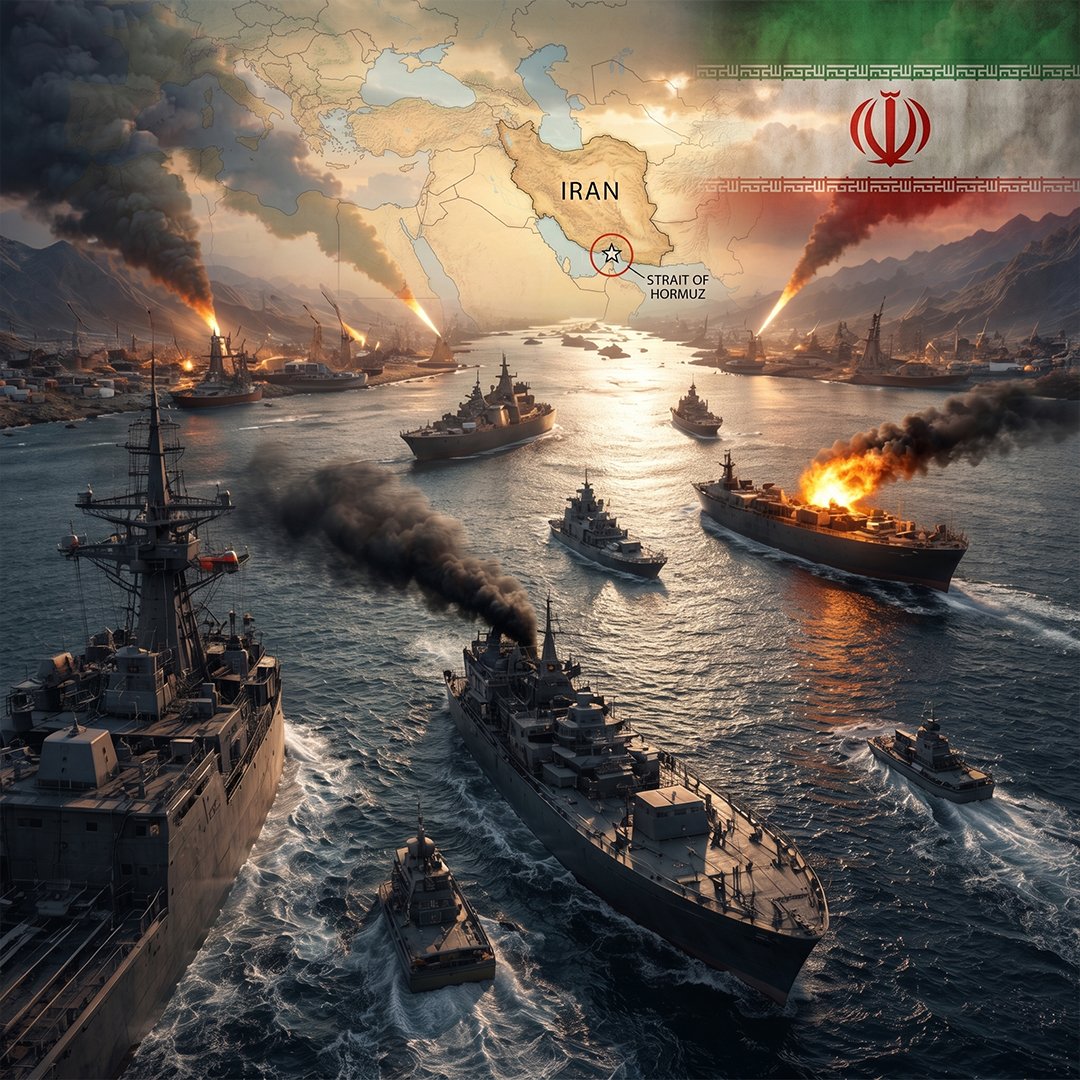
On 8 April 2026, a ceasefire agreement between Iran and the United States was reached with a critical condition: ensuring safe passage through the Strait of Hormuz. This development came after weeks of disruption following military actions involving Israel on 28 February 2026, during which the waterway was effectively restricted.
As one of the world’s busiest oil shipping routes, the situation in the Strait of Hormuz quickly escalated into a global energy concern, driving fuel prices sharply upward before falling nearly 15% after the ceasefire announcement.
What and Where Is the Strait of Hormuz?
The Strait of Hormuz is a narrow but vital maritime corridor located between Iran to the north and Oman and the United Arab Emirates to the south. It links the Persian Gulf with the Arabian Sea.
- Approximate width: 50 km at entry/exit, 33 km at narrowest point
- Suitable for the world’s largest oil tankers
- A key global energy transit chokepoint
Global Importance of the Strait of Hormuz
1. Major Oil Transit Route
In 2025, around 20 million barrels of oil per day passed through the strait—nearly 20% of global oil supply, valued at approximately $600 billion annually.
Major exporters include:
Iran, Iraq, Kuwait, Qatar, Saudi Arabia, and the United Arab Emirates.
2. Critical LNG Supply Channel
About 20% of global liquefied natural gas (LNG) shipments pass through the strait, primarily from Qatar, a major energy exporter.
3. Essential Trade and Supply Route
The strait is also vital for:
- Fertilizer exports (around one-third of global trade)
- Imports of food, medicines, and technology into the Gulf region
Impact of the Strait’s Closure During the Iran War
1. Collapse in Maritime Traffic
Normally, about 3,000 ships per month pass through the strait. During the conflict:
- Traffic dropped by up to 95%
- Only a limited number of vessels, often coordinated with Iran, were allowed to pass
2. Military Blockade and Security Risks
Iran leveraged its strategic position by deploying:
- Drones and missile systems
- Fast attack boats
- Potential naval mines
Global Economic Consequences
Asia’s Energy Crisis
Countries like China, and other Asian countries heavily dependent on Gulf oil, faced severe disruptions. Governments implemented:
- Work-from-home policies
- Reduced working hours
- Energy conservation measures
Impact on Europe and Africa
- Slovenia introduced fuel rationing
- South Sudan and Mauritius restricted electricity consumption
US Response and Efforts to Reopen the Strait
The United States responded primarily through airstrikes targeting Iranian military infrastructure, including anti-ship missile sites. Unlike past conflicts, it avoided deploying naval convoys initially.
Historically, during the Iran-Iraq War, the US escorted oil tankers through the region in response to similar threats, highlighting the strait’s long-standing strategic importance.
Partial Access Before Ceasefire
Before the ceasefire:
- Iran allowed limited passage for “non-hostile” vessels
- 100 ships crossed between 1–20 March
- Traffic remained significantly reduced, with many vessels linked to Iran or Asian markets
Can the Strait of Hormuz Be Bypassed?
Alternative routes exist but are limited:
- Saudi Arabia operates the East–West Pipeline (up to 5 million barrels/day)
- United Arab Emirates uses pipelines to Fujairah port
However, bypassing the strait could still reduce supply by 8–10 million barrels per day, keeping global markets vulnerable.
Conclusion: Why the World Is Concerned
The Strait of Hormuz remains one of the most critical chokepoints in global trade. The 2026 Iran conflict demonstrated how quickly disruptions can:
- Drive oil prices higher
- Disrupt global supply chains
- Trigger economic instability worldwide
Ensuring secure and uninterrupted passage through this narrow waterway is essential for global energy security and economic stability.

Mr. Obaid Ayub is a skilled professional with specialization in Finance and Operations. Demonstrating a proven track record, He possess a unique combination of skills tailored for the dynamic realms of finance, real estate, and marketing. He has successfully optimized business processes and implemented strategic financial initiatives, showcasing his ability to deliver tangible results. His expertise lies in developing and executing robust financial strategies aligned with organizational objectives, ensuring sustainable growth and profitability. He possess significant expertise in budgeting, forecasting, and financial analysis, contributing to the facilitation of well-informed decision-making.